One of the biggest risks I see in Microsoft 365 tenants is administrators having permanent elevated access.
Standing Global Admin or Exchange Admin rights create a massive attack surface — and attackers know it.
That’s why Privileged Identity Management (PIM) is one of the most important tools in Microsoft 365 security.
It transforms admin access from “always on” to “just-in-time,” drastically reducing both accidental misuse and attacker opportunity.
Here’s why PIM is essential and how I use it in real environments.
What PIM Actually Does
PIM is a privilege governance system that lets you:
- Assign admin roles on-demand
- Remove permanent admin permissions
- Require justification for access
- Enforce MFA before activation
- Limit activation duration
- Review privileged activity
- Alert on unusual role activations
- Provide audit logs for compliance
It brings structure, visibility, and security to elevated access.
Why PIM Matters So Much
1. Eliminates Standing Admin Access
Permanent admin rights mean:
- If credentials leak → attacker becomes an admin
- If malware infects the user → admin-level compromise
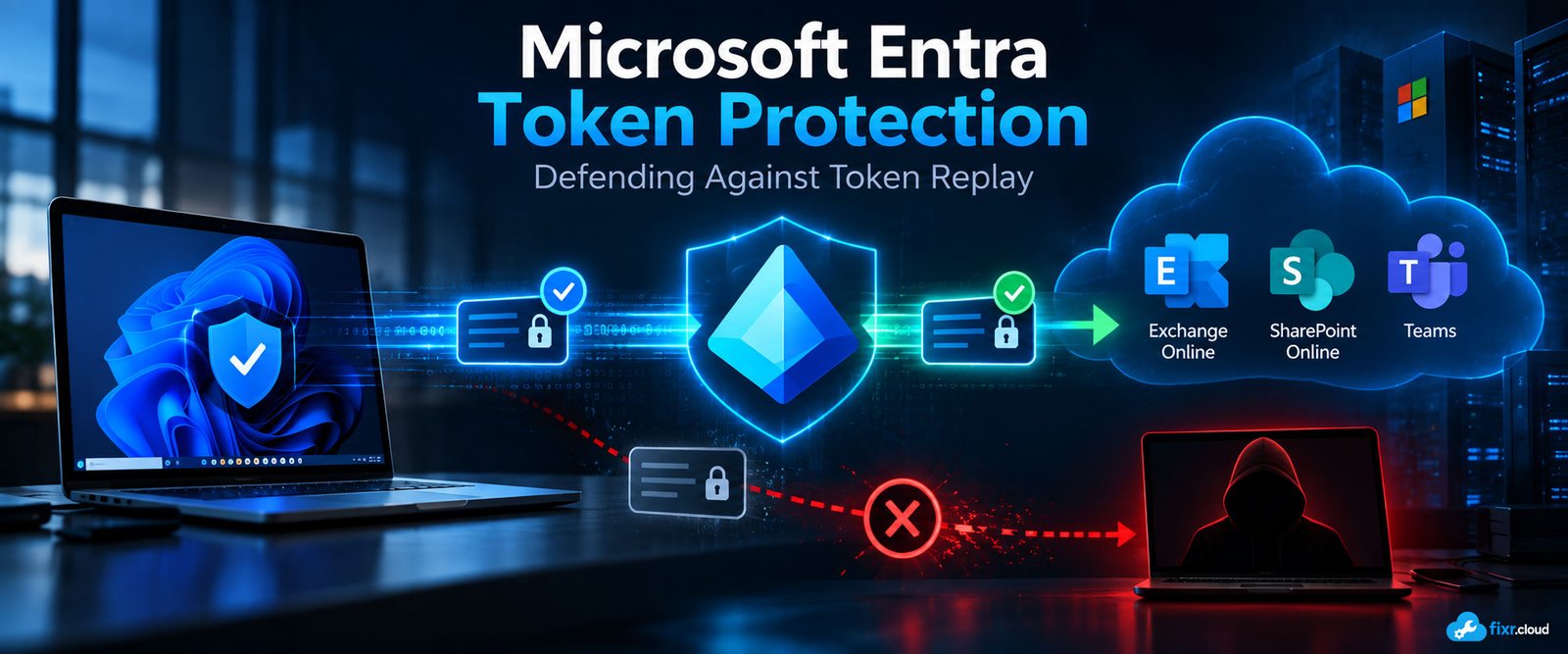
- If session is hijacked → full tenant access
PIM fixes all of this by giving access only when needed.
2. Enforces Just-in-Time Access
Admins activate their role only when they need it.
Example:
“You need Exchange Admin for 45 minutes? Activate it.”
The rest of the time, the account is low-risk.
3. Adds MFA and Justification Requirements
Before elevation, PIM can require:
- MFA challenge
- Business justification
- Ticket number
- Reason for access
This stops unauthorized or accidental activations.
4. Limits Access Lifetime
You can restrict roles to:
- 30 minutes
- 1 hour
- 4 hours
- Custom durations
Shorter access = smaller attack window.
5. Gives Visibility Into All Admin Activity
PIM offers:
- Detailed logs
- Alerts
- Role activation history
- Who activated which role and when
This is invaluable for audits and investigations.
6. Helps Enforce Least Privilege
Least privilege is hard to enforce manually.
PIM automates it.
Admins only get the exact permissions they need — and only when they need them.
How I Use PIM in Real Environments
1. Remove Permanent Admin Access
I start by removing all standing Global Admin and Exchange Admin rights.
2. Assign Eligible Roles Instead
Admins become eligible for roles, not active by default.
3. Require MFA for Activation
Even if MFA is already enforced, PIM adds an additional challenge.
4. Add Justification Requirements
Admins must specify why they’re activating a role — useful for compliance.
5. Limit Activation Time
Most roles don’t need more than 1–2 hours.
6. Enable Alerts
PIM notifies when:
- High-privilege roles are activated
- Abnormal activation patterns occur
- Roles are used outside business hours
7. Conduct Access Reviews
Regular reviews help remove:
- Stale roles
- Over-privileged accounts
- Access no longer needed
Common Mistakes With Privileged Access
❌ Permanent Global Admin accounts
❌ Shared admin accounts
❌ No MFA on admin logins
❌ No monitoring of role activations
❌ Admins using their primary user account for admin work
❌ Never reviewing admin access
Each of these creates unnecessary risk.
Final Thoughts
Privileged Identity Management is one of the most powerful ways to reduce your attack surface in Microsoft 365.
By removing standing admin access and enforcing just-in-time elevation, PIM significantly strengthens identity security.
In my experience, enabling PIM is one of the fastest and most effective ways to bring true least-privilege access into any M365 environment.
This is the kind of practical security guidance I share at Fixr.Cloud — Smarter IT, Simplified.