Identity attacks are becoming more sophisticated every year — and traditional security tools are often unable to catch the early signs of compromise.
In my work with hybrid Microsoft environments, one tool consistently stands out for detecting attacker behavior early: Microsoft Defender for Identity (MDI).
MDI doesn’t just look for malware or brute-force attempts.
It analyzes identity behavior, domain controller activity, and suspicious patterns that reveal problems long before a major incident occurs.
Let me break down why MDI is so important and how I use it in real environments.
What Microsoft Defender for Identity Actually Does
MDI monitors:
- Domain controllers
- Active Directory activity
- Authentication patterns
- User behavior
- Privileged account activity
- Lateral movement attempts
- Reconnaissance actions
It uses behavioral analytics + threat intelligence to detect malicious identity behavior.
This visibility is extremely valuable.
Why MDI Matters So Much
1. Detects Attacks Early — Before Damage Happens
Most attackers don’t start by encrypting files.
They start with:
- Scanning users
- Enumerating groups
- Mapping AD structure
- Checking privileges
- Extracting credentials
MDI catches these steps immediately.
2. Identifies Compromised Credentials
Whether through:
- Password spraying
- Token theft
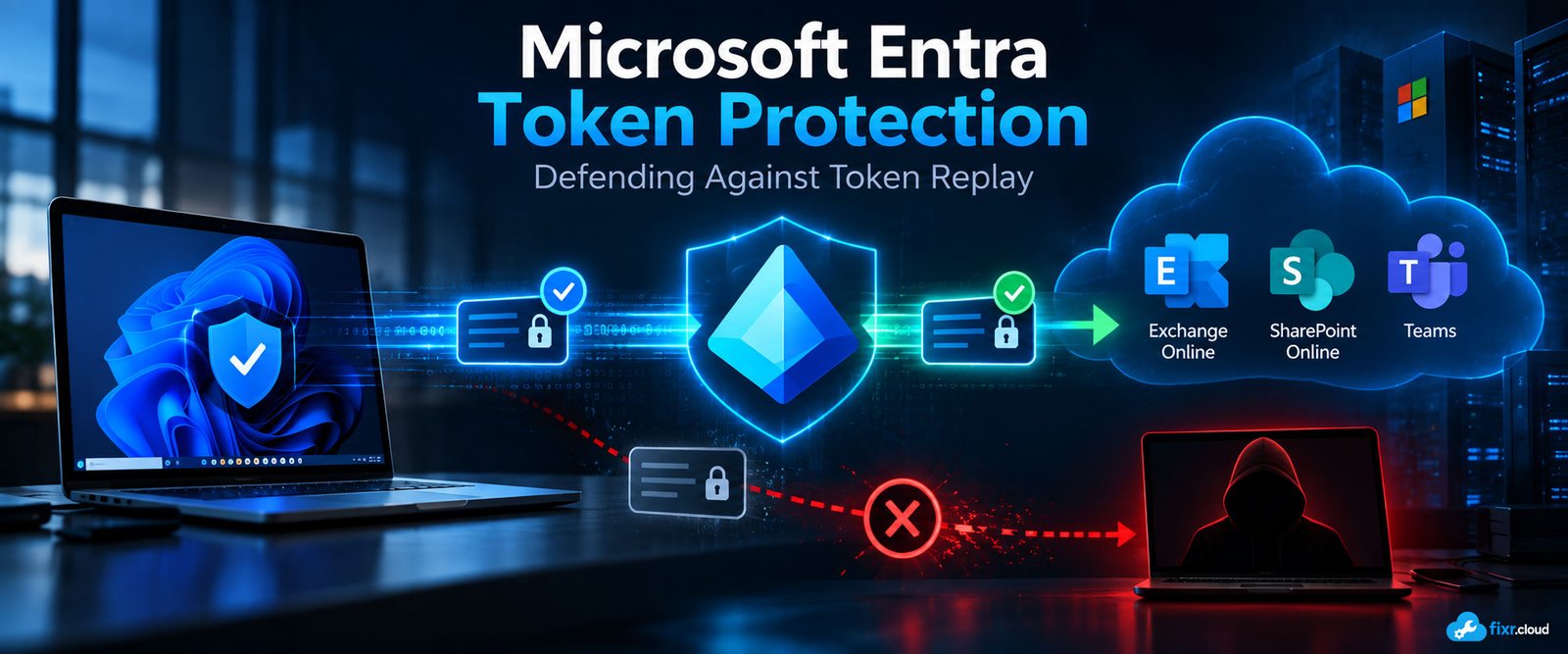
- Replay attacks
- Pass-the-Hash
- Pass-the-Ticket
MDI flags unexpected or suspicious authentication attempts.
This is often the first sign of compromise.
3. Exposes Privileged Account Abuse
Privileged accounts are high-value targets.
MDI alerts on:
- Admin logins from unusual locations
- Admin roles used outside normal hours
- Sudden privilege elevation
- Lateral movement attempts
This helps detect insider and external threats.
4. Protects Hybrid Environments
Many organizations still rely on:
- Domain controllers
- Legacy authentication
- Hybrid identity setups
- Mixed Windows versions
MDI integrates seamlessly with these setups and closes visibility gaps.
5. Helps Build a Zero Trust Identity Model
MDI supports Zero Trust by identifying:
- Behavioral anomalies
- Misconfigured identity paths
- Legacy protocol usage
- Excessive privileges
- Weak security controls
This provides the insights needed to strengthen identity security.
How I Configure MDI in Real Environments
1. Integrate With Domain Controllers
I deploy the lightweight sensor on domain controllers to capture real-time activity.
2. Tune Policy and Alert Sensitivity
I reduce noise by:
- Filtering expected activity
- Marking legitimate admin behavior
- Tuning threshold settings
3. Monitor Sensitive Accounts Closely
I flag:
- Domain Admins
- Server Admins
- Tier-0 accounts
- Break-glass accounts
These accounts get additional visibility layers.
4. Analyze Lateral Movement Paths
MDI maps how attackers might move horizontally.
I use this to:
- Identify weaknesses
- Remove unnecessary privileges
- Break privilege chains
5. Review Alerts Regularly
I look for:
- Reconnaissance patterns
- Kerberoasting attempts
- Suspicious LDAP queries
- Abnormal logon behavior
- Impossible travel events
This helps catch incidents early.
Common Mistakes Admins Make With MDI
❌ Installing it but never reviewing alerts
❌ Not integrating with Defender for Cloud Apps
❌ No tuning (resulting in overwhelming alerts)
❌ Ignoring lateral movement paths
❌ Not mapping privileged account behavior
❌ Relying only on antivirus/EDR for identity protection
Identity threats require identity-focused tools.
Final Thoughts
Microsoft Defender for Identity provides deep visibility into identity threats that other tools simply cannot detect.
It’s especially valuable in hybrid environments where traditional endpoint and cloud security tools have blind spots.
In my experience, enabling MDI is one of the highest-impact steps you can take to protect an identity infrastructure.
This is the identity-first security guidance I share at Fixr.Cloud — Smarter IT, Simplified.